
During Treatment
During Treatment
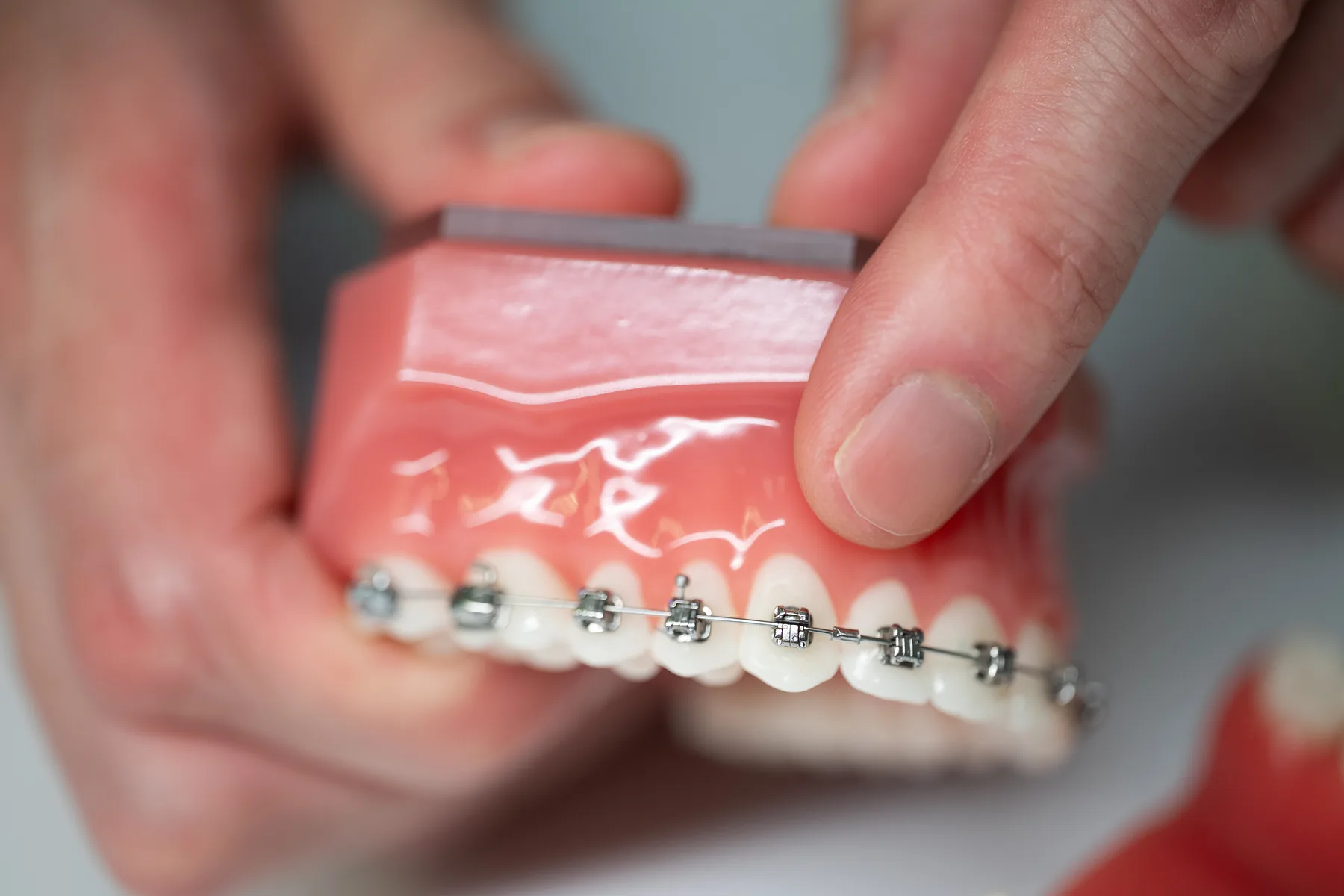
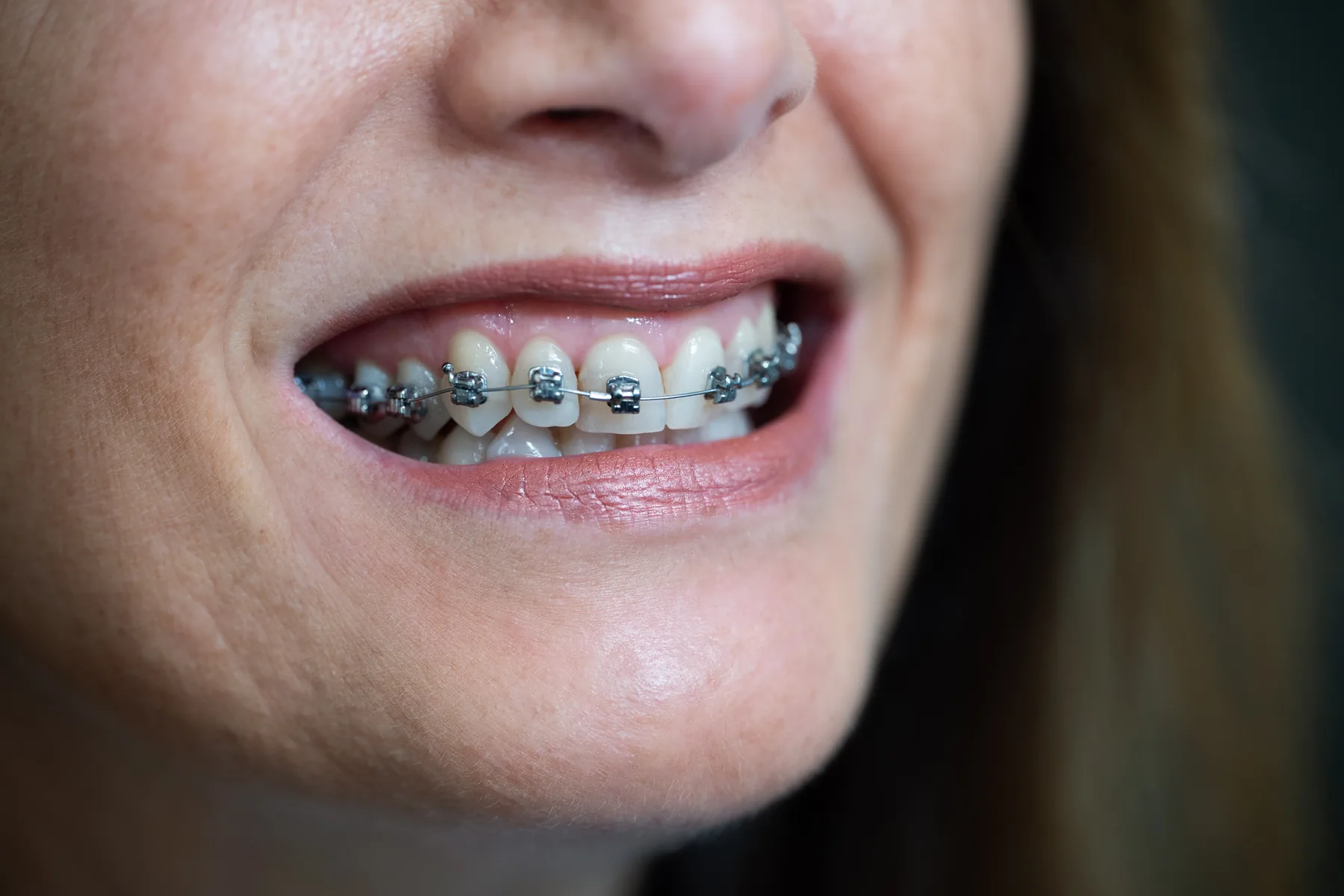
Check your braces daily.
Remember, it is important to carefully check your appliance/braces daily to make sure that everything is properly attached to your teeth. If you notice something loose, please call us for advice even if you have an appointment scheduled in the near future.
Contact UsWatch
How to maintain your braces.
A short Smile Council video on looking after your braces day to day.
Self care
Common problems,
simple fixes.
Having a minor issue during orthodontic treatment? Here's some simple guidance for managing common orthodontic problems at home.
Having a minor issue during orthodontic treatment? Our self-care videos provide simple guidance for managing common orthodontic problems at home.
Watch Self Care VideosWhen the braces or orthodontic appliance is first fitted, it may rub the lips, cheeks, and tongue and cause irritation for one to two weeks. You can put comfort wax on the braces to reduce the soreness. With time, the inside of your mouth will become used to the presence of the braces. And before you know it, you'll hardly know they are there!
Diet
Follow these two rules to keep your teeth in good health, avoid appliance breakages and keep your treatment on track:
- Nearly all soft drinks, sports drinks, energy drinks and juices are loaded with sugars and acids and are extremely harmful to teeth. These should only be consumed occasionally to avoid decay and permanent marks on your enamel.
- Avoid eating really sticky or hard foods during your orthodontic treatment as these can damage your braces and orthodontic appliances. This can cause inconvenience for you and also lengthen your time in treatment.
- Nuts (or anything with nuts in it, such as muesli bars)
- Hard chips (especially corn chips)
- Hard lollies (candy, toffee, boiled lollies)
- Sticky or chewy lollies (minties, gummy lollies)
- Whole apples
- Whole carrots
- Chocolate bars
- Ice cubes
- Popcorn
- Pencils/Pen lids
A common bite problem is where the upper teeth protrude way out over the lower teeth. In many of these cases, the lower jaw is also undersized relative to the upper jaw and face. Treatment using a Bite Jumper appliance can correct this to a very large degree, reducing the need for surgery or extractions. We are experts in this treatment, having refined and extended the applications for this device over a 30+ year period. Our latest versions are very comfortable, discrete and very efficient.
When you are first fitted with a Bite Jumper, you may notice some immediate changes:
- Your mouth may feel 'full'
- You may have some rubbing of the cheeks
- Speaking and chewing may feel different
- More saliva flow than normal
All of these new sensations will decrease after a week or so as you get used to the appliance. Let's take a closer look at how the Bite Jumper appliance works in the video below.
An RME (Rapid Maxillary Expander) is an appliance to widen the upper jaw. We use this in children and young teens because the left and right bones of the upper jaw have yet to become fused together. In adults, it can be used when combined with surgery to separate the left and right halves of the upper jaw. The RME is activated by turning a screw in the centre of the appliance once or twice a day.
We also use a slower expander appliance called a Quadhelix. This works mainly on the teeth and has less effect on the upper jaw bone. It is fully adjusted by the doctor and does not need you to activate it at home.
An upper expander is often the first stage of orthodontic treatment and may be followed by other appliances or by comprehensive treatment at a later date.

Your smile starts here
Ready when
you are.
Take the first step with a specialist team that will listen, explain and put you at ease.
Book a consultation